Sierra Vista Artificial Turf
Desert-Adapted Turf Installs in Sierra Vista, AZ
Desert-adapted turf installation in Sierra Vista with UV-stabilized fiber and cooling infill for AZ heat. Free estimates.
- 15+ Years local experience
- 500+ Projects completed
- Licensed & Insured
Serving Sierra Vista and nearby communities.
Not every turf product on the market is built for Sierra Vista's sun intensity. Standard turf sold in milder climates can fade, warp, or run too hot underfoot after a few Arizona summers.
This service specs the right product from the start: UV-stabilized fiber, heat-reflective infill, and base drainage planned for monsoon runoff. Sierra Vista Artificial Turf treats desert performance as a product selection problem first, not an afterthought.
What's included
What's Included
- Heat-reflective infill — infill chosen specifically to reduce surface temperature in direct sun.
- UV-stabilized fibers — turf blades treated to resist fading and material breakdown under long sun exposure.
- Proper base drainage — base planned to move monsoon runoff instead of trapping moisture.
- Expansion-aware seaming — small seam gaps built in to handle material expansion during heat.
Want a clearer scope?
Get a Free EstimateHow it works
How Our Desert-Adapted Turf Installs Process Works
 Step 1
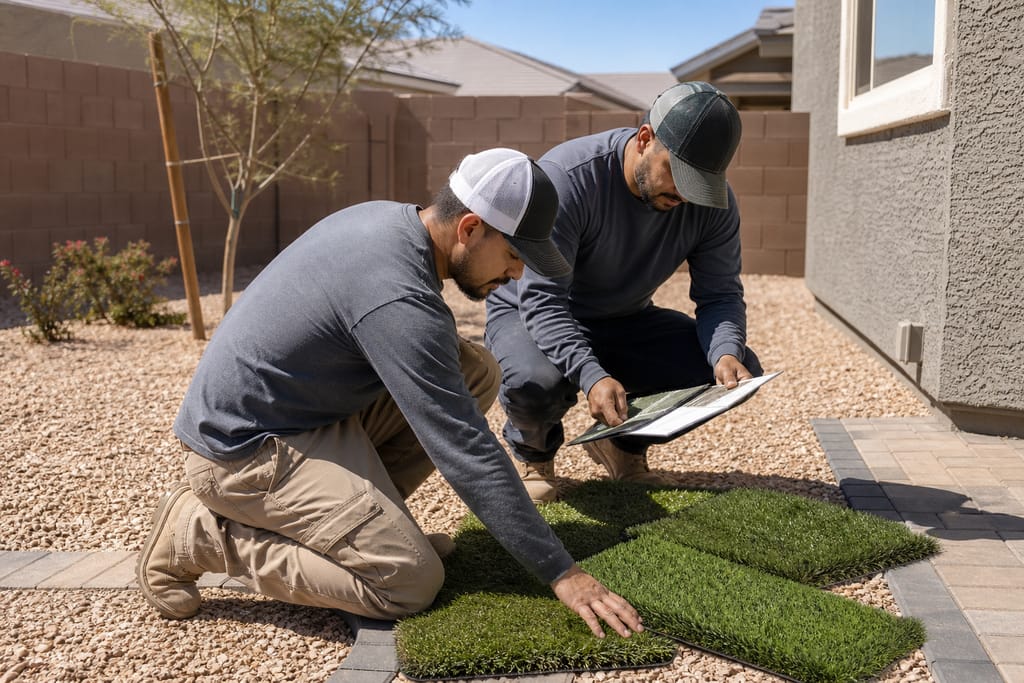
Heat tolerance planning
Turf products selected based on resistance to high heat and sun exposure.
 Step 2
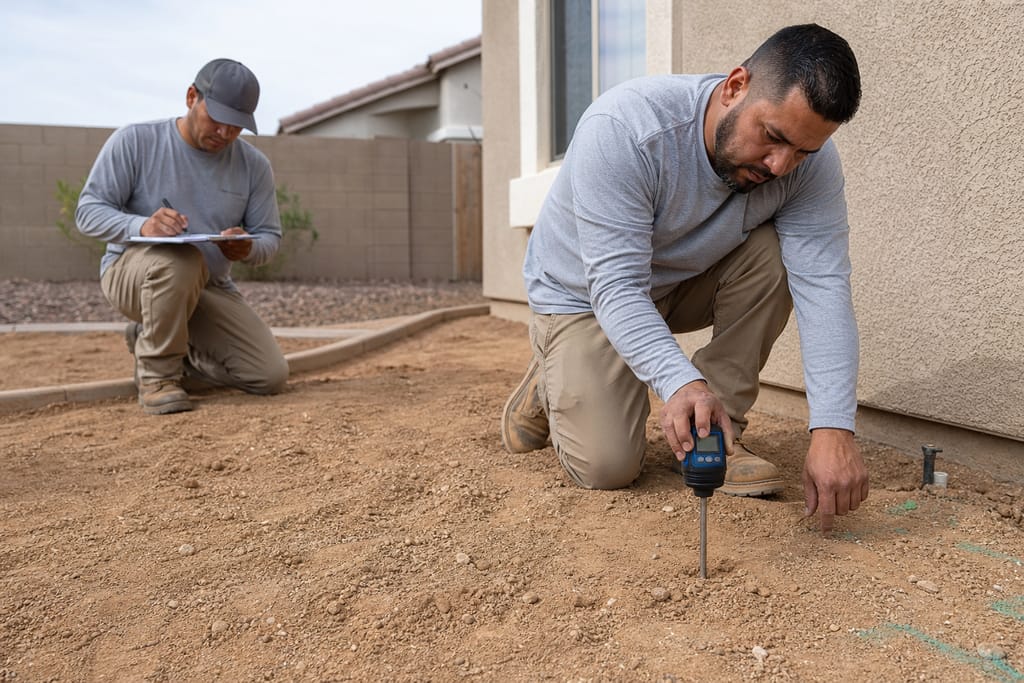
Soil moisture testing
Existing soil conditions tested to plan drainage solutions.
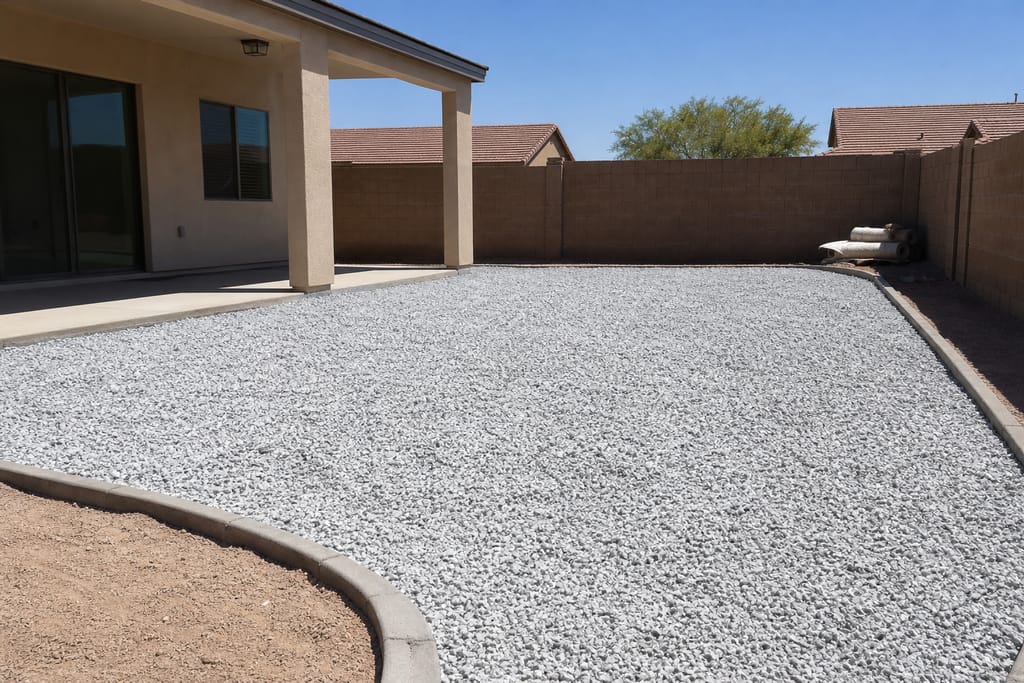 Step 3
Reflective base prep
Base materials chosen to reduce heat retention beneath the surface.
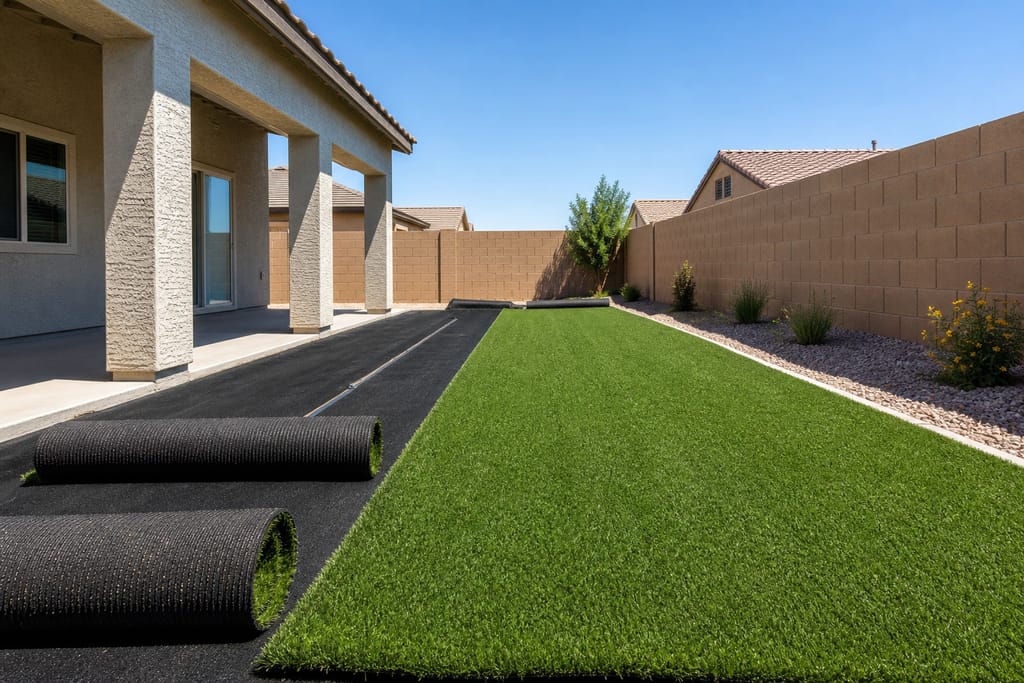 Step 4
Heat-resistant turf laying
Specialized desert turf fibers installed to withstand extreme temperatures.
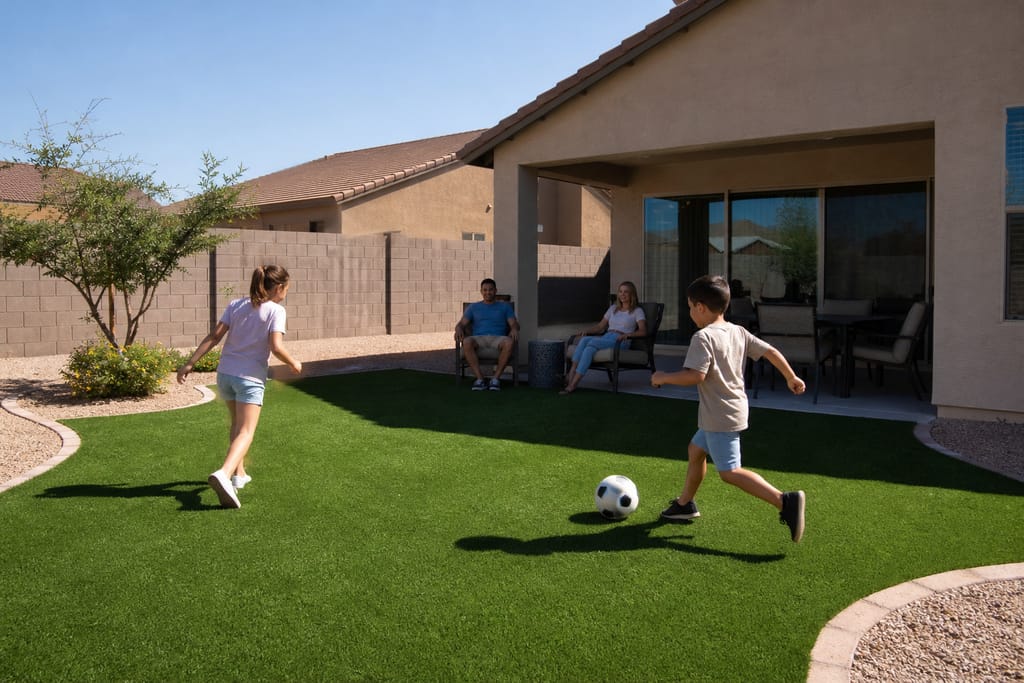 Step 5
Expansion gap allowance
Small seam gaps built in for material expansion in heat.
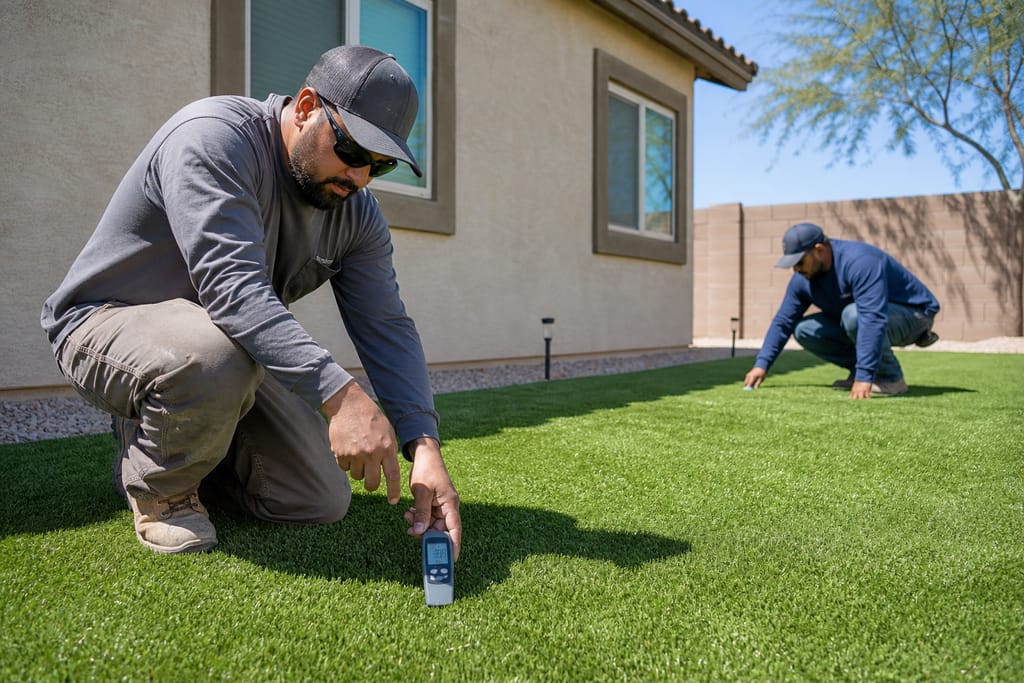 Step 6
Surface cooling check
Finished surface tested for temperature performance under direct sun.
Materials
Materials and Methods for Desert-Adapted Turf Installs
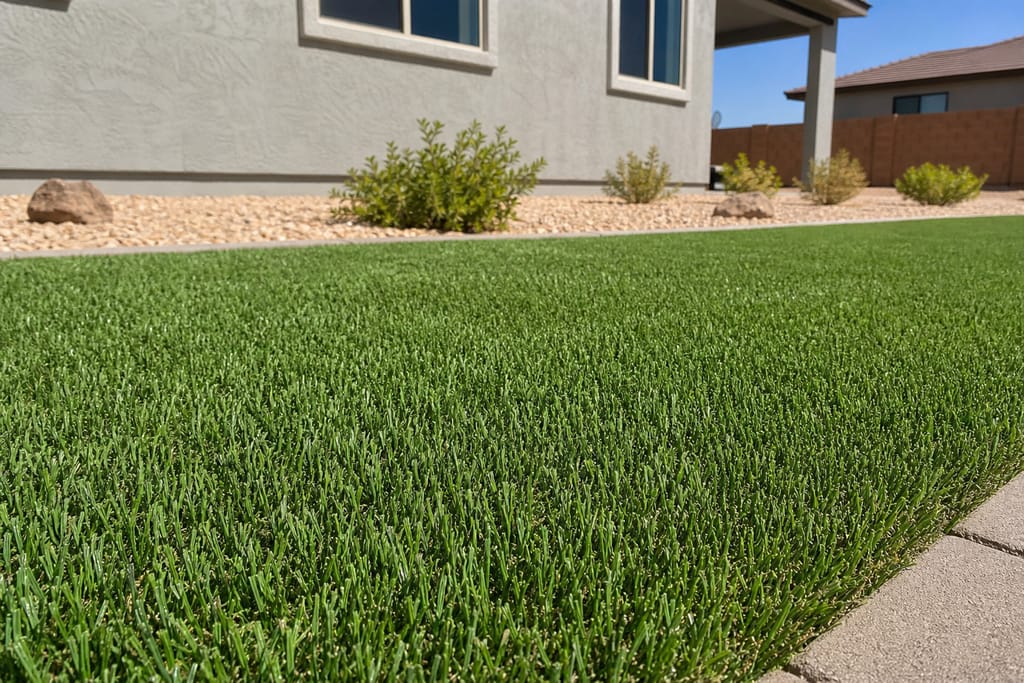
Heat-resistant turf fibers
Fibers engineered to resist melting and fading under intense desert sun.
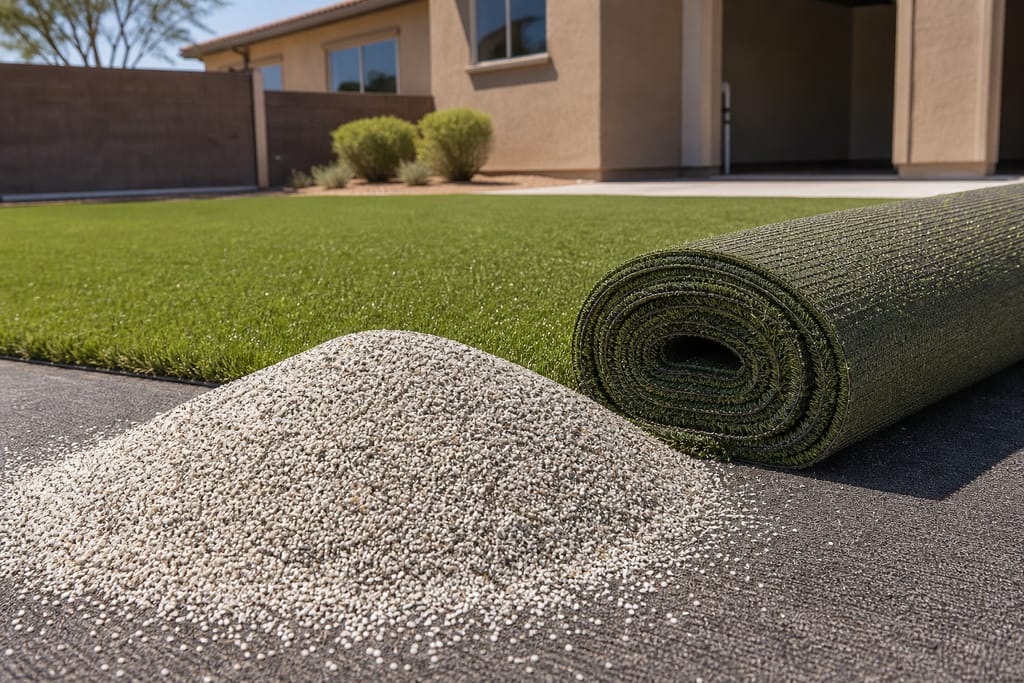
Reflective infill blend
Infill designed to reflect heat and reduce surface temperature buildup.
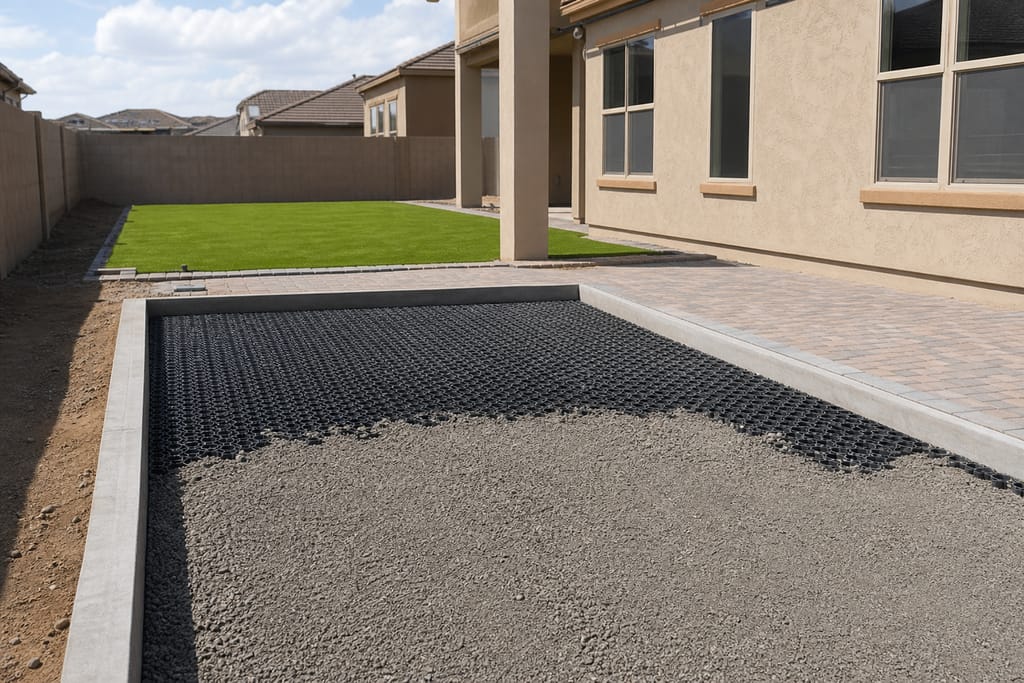
Drought-tolerant base layer
Base chosen for stability in Sierra Vista's dry, low-moisture soil.
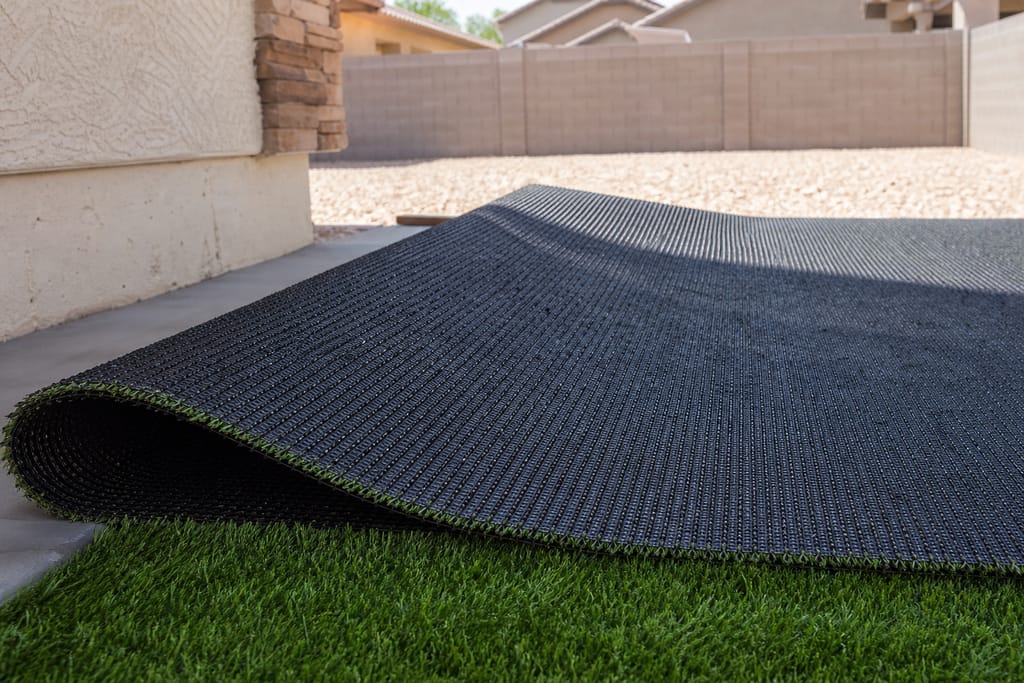
UV-protected backing
Backing treated with stabilizers to prevent cracking in high heat.
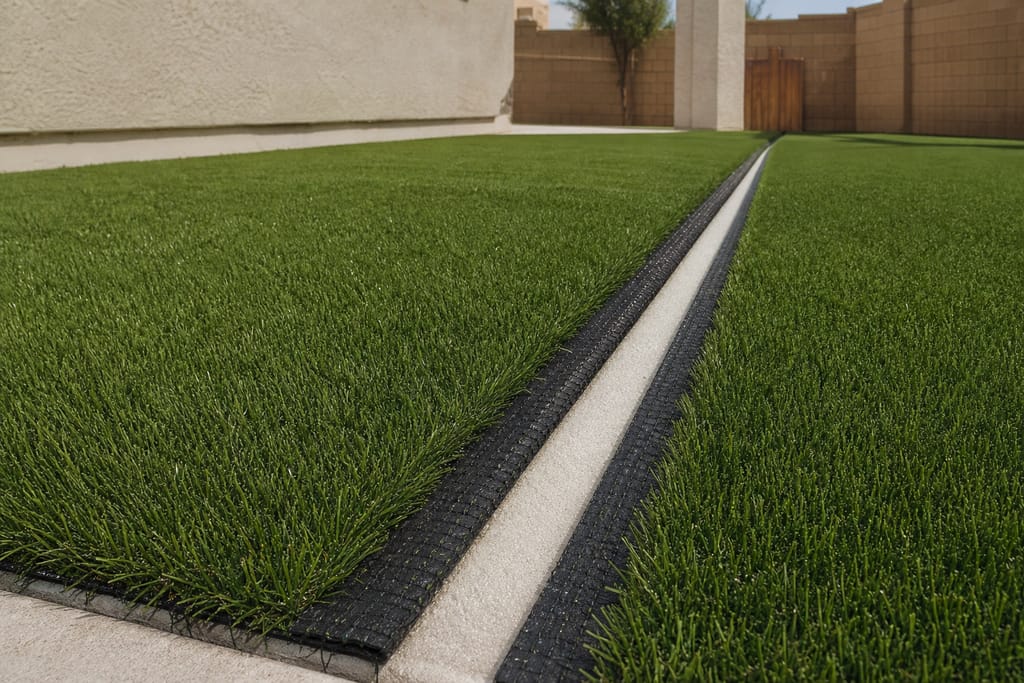
Thermal break seams
Seaming technique built to handle material expansion from heat.
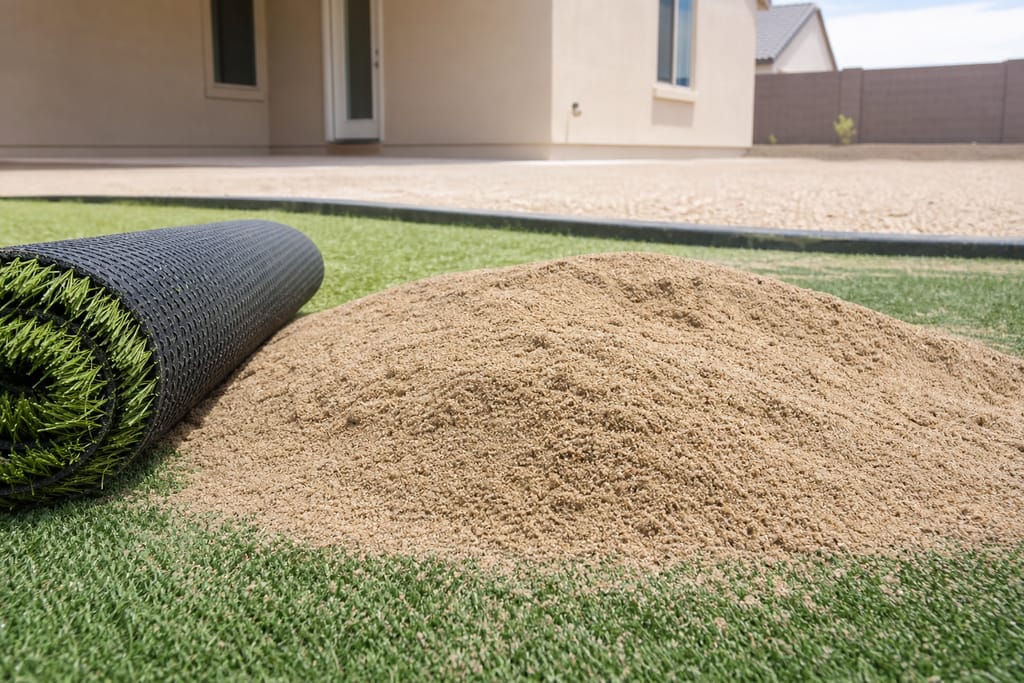
Sand-based filler
Sand filler provides stability while allowing heat to dissipate faster.
Questions on materials?
Get a Free EstimateCost
What Does a Desert-Adapted Turf Installs Cost in Sierra Vista?
Upgraded fiber and infill add cost over standard turf, but the difference shows up in how the surface performs after a few summers. Ask for a free estimate comparing standard versus desert-adapted product cost.
| Project type | Typical range | What’s included |
|---|---|---|
| Heat-upgrade infill only | $500-$1,500 | add-on to a standard install, for existing turf plans upgrading infill grade. |
| Full desert-adapted install, standard yard | $5,000-$10,000, | UV fiber plus cooling infill included. |
| Large-lot desert-adapted install | $10,000-$19,000+ | , larger acreage footprints common around Whetstone. |
These are typical local ballparks — final cost depends on scope, materials, and site conditions. A free estimate gives you an accurate, itemized number for your home.
Want a number for your home?
Get a Free EstimateFAQs
Desert-Adapted Turf Installs FAQs
What is the best artificial turf for Arizona heat?
UV-stabilized polyethylene fiber paired with heat-reflective or cooling infill performs best. Standard nylon blends without UV treatment degrade faster under constant sun.
Does artificial turf get too hot to walk on in Sierra Vista summers?
Standard turf can get hot in direct full sun, similar to any dark surface. Cooling infill and lighter fiber colors reduce surface temperature noticeably compared to untreated turf.
How much hotter does desert-adapted turf run compared to standard turf?
Cooling infill options can drop surface temperature by a meaningful margin on full-sun days, though exact numbers vary by product and time of day.
Does UV-stabilized turf actually last longer?
Yes. Non-stabilized fiber breaks down and fades faster under sustained UV exposure, UV-stabilized backing specifically slows that process.
Is this upgrade worth it for a shaded backyard?
Less critical in shaded areas. The upgrade matters most for full-sun exposure, south and west-facing yards especially.
Next step
Get a Free Estimate
Call Sierra Vista Artificial Turf for a heat-rated turf quote. Home | Contact | Artificial Turf Installation
Before & after
Before and After Desert-Adapted Turf Installs
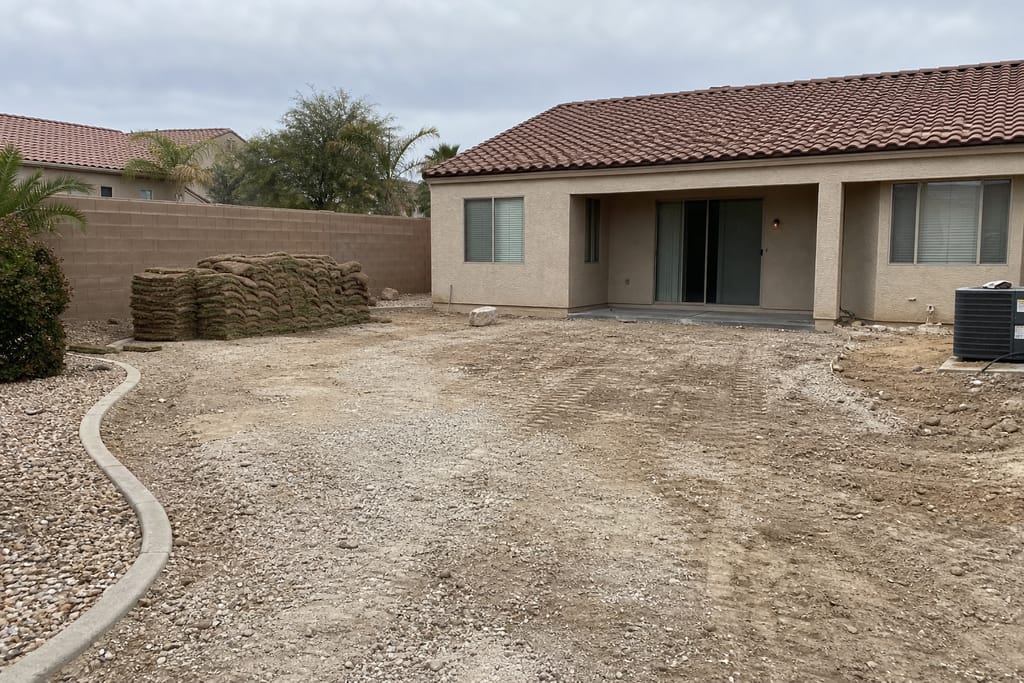
Before 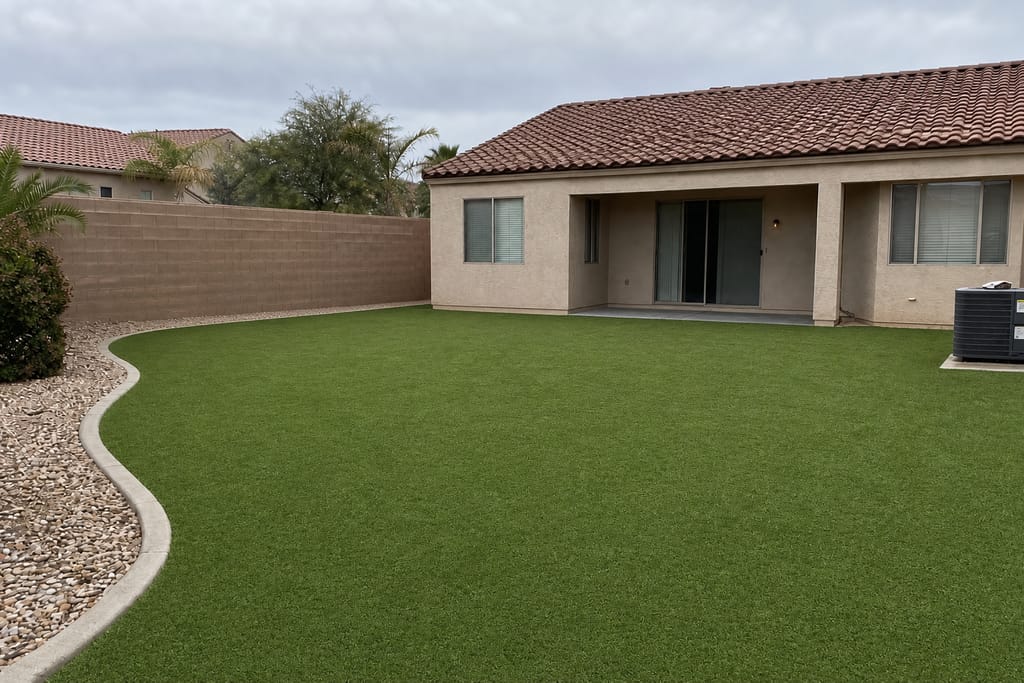
After
More services
Other Artificial Turf services
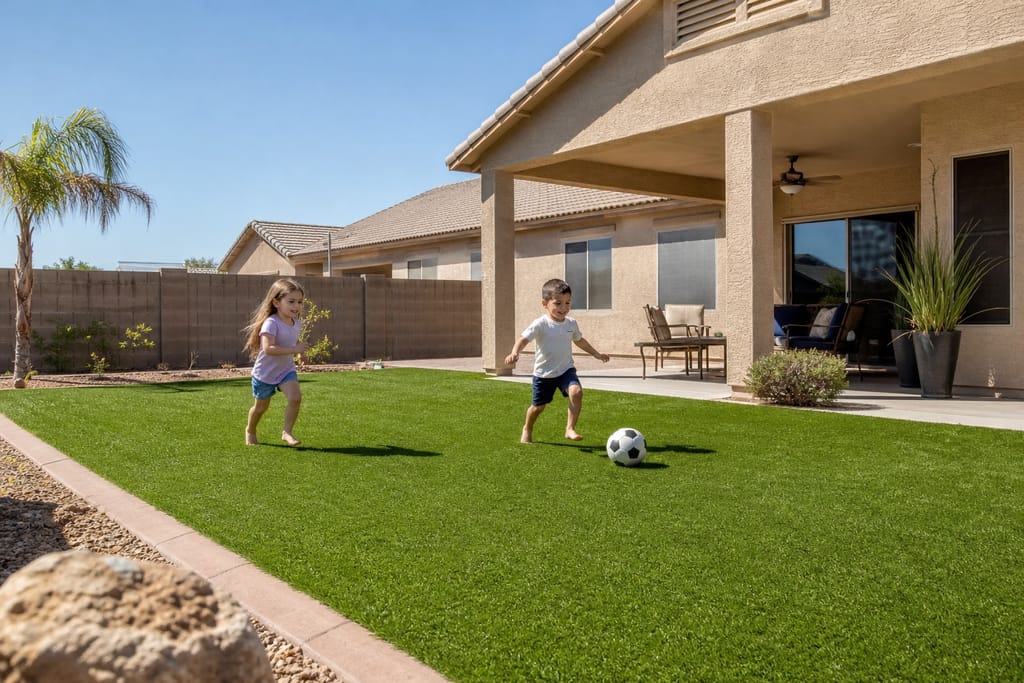
Artificial Turf Installation
Artificial turf installation in Sierra Vista with base prep, seaming, and infill built for desert soil. Free estimates.
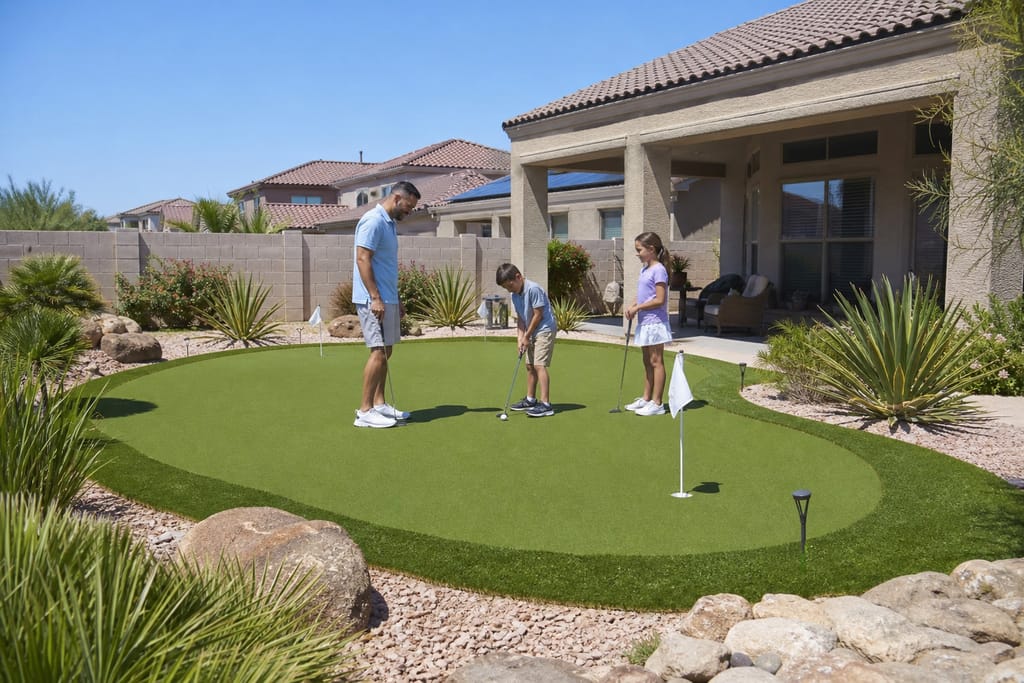
Putting Green Installation
Custom backyard putting green installation in Sierra Vista with contoured surfaces and regulation cups. Free estimates.
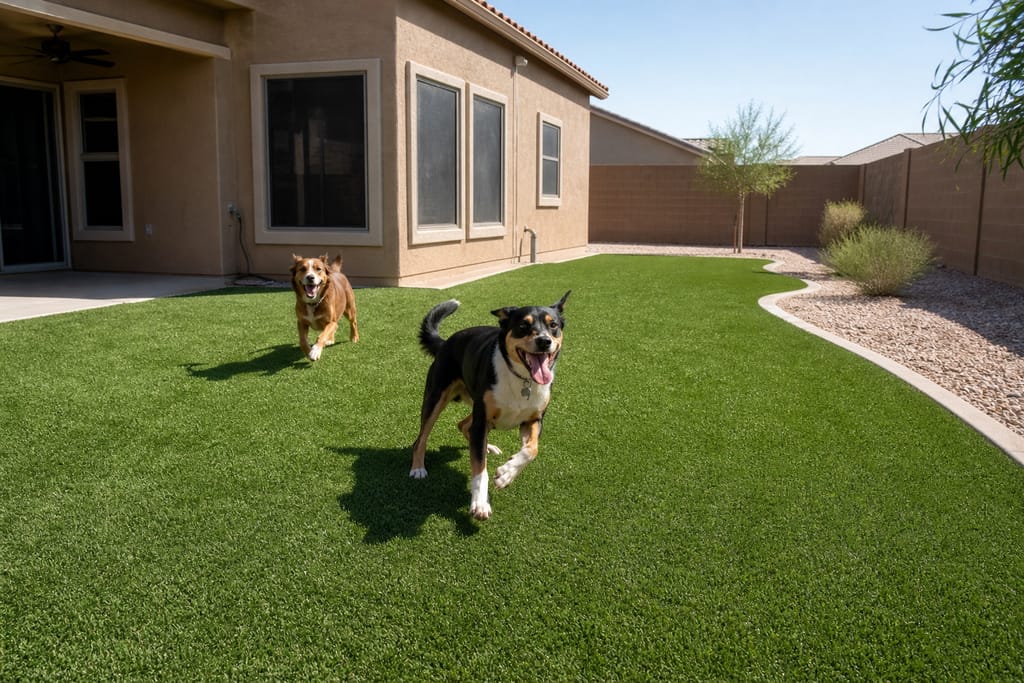
Pet Turf Installation
Pet-friendly artificial turf with drainage base and odor-control infill. Free estimates, desert-rated materials.
Ask about Desert-Adapted Turf Installs
Tell us about the project and how to reach you.